



We have three brochures available for download which have information you might find useful.
Click on each brochure to open it or download it.
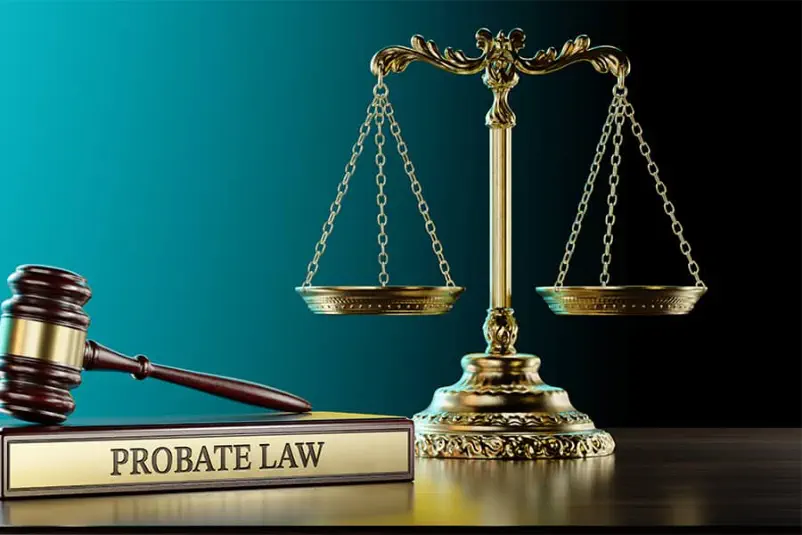
WHAT IS PROBATE?
Are you handling the affairs of someone who has passed away and need
help understanding the probate process? Read on for our detailed
probate guide covering all of the commonly asked questions.
The term ‘probate’ refers to the Grant of Probate, which is a legal document that Executors may need to obtain when administering the estate of someone who has passed away. This process is referred to as ‘Confirmation’ in Scotland. A Grant of Probate provides the Executor with the legal authority to carry out estate administration, which includes dealing with all of the deceased’s assets, legal affairs, debts, and more. Therefore, probate is one part of the wider estate administration process; the term is commonly misused by many to refer to the entire process of dealing with the estate of someone who has passed away. Whilst probate isn’t always required, an estate must always be administered.When is probate required?
Whether or not probate is required does not depend on whether there’s a Will or not. Probate is usually required if the deceased owned assets or property in their sole name. In this case, a Grant of Probate is often needed to sell or transfer the property and release funds to the beneficiaries of the estate. However, if assets were held jointly, they will automatically pass to the surviving joint owner.Do you have to pay for probate?
The set government fee for applying for a Grant of Probate in England and Wales is £300 for estates worth over £5,000. For estates valued at £5,000 or less, there is no fee to pay. Within this £300 fee, you will receive one copy of the Grant, but it is recommended that you purchase more at the time of application for a small fee.When should you apply for probate?
First, the death must be registered. Then, all assets and liabilities within the estate should be detailed so that the value can be calculated. If the estate includes a property, this must also be valued, and any gifts made by the deceased should be included in the value of the estate for Inheritance Tax purposes (if applicable). At this point, a Grant of Probate application can be submitted to the Probate Registry.The documents you need for probate
• A PA1P (if there is a Will) or PA1A (if there is no Will) • An Inheritance Tax form - This may not be needed if the estate is low value or meets the excepted estate requirements. THE SIGNIFICANCE OF TRUSTS IN WILL WRITING AND ESTATE PLANNINGEstate Planning / Trusts
Trusts play a vital role in will writing and estate planning, providing a flexible and secure solution for managing your assets. These legal structures, when set up and administered correctly, can protect your wealth, minimise tax liabilities and ensure your loved ones receive the benefits you intended. As a leading will writing and estate planning service provider, we are here to guide you through the intricacies of trusts, helping you make informed decisions about how best to manage and distribute your assets among your beneficiaries. In this guide, we will examine the various types of trusts available in England and Wales, their unique benefits, and the appropriate situations in which they can be implemented. Additionally, we will discuss key considerations surrounding the appointment of trustees and how to set up a trust as part of your estate plan. With a wealth of experience in will writing and estate planning, our expert team is uniquely qualified to advise you on the ideal trust structures to meet your specific needs and circumstances.Types of Trusts
There are numerous types of trusts available in England and Wales to suit various estate planning objectives. The most commonly used structures include: 1. Bare Trusts: Also known as simple trusts, bare trusts give the beneficiary immediate and absolute rights to both the income and the capital of the trust. These trusts are often used for minor children to manage assets until they reach the age of 18. 2. Interest in Possession Trusts: These trusts grant a beneficiary the right to receive the income generated by the trust, while the capital is often preserved for future beneficiaries. Interest in possession trusts can be used in situations where a spouse or partner needs to maintain an income from the assets while protecting the capital for children from a previous marriage. 3. Discretionary Trusts: Discretionary trusts offer the most flexibility, allowing the trustee discretion over the distribution of income and capital among the beneficiaries. This type of trust is particularly beneficial for catering to the diverse and changing needs of beneficiaries over time. 4. Accumulation Trusts: These trusts enable the trustees to accumulate income within the trust and add it to the capital, offering another layer of wealth preservation. Accumulation trusts are often used for educational purposes or intergenerational wealth management.Benefits of Establishing a Trust
Incorporating trusts into your estate planning strategy can yield several significant benefits 1. Wealth Protection: Trusts offer a layer of protection for your assets against unforeseen circumstances, such as bankruptcy, divorce, or claims from creditors. 2. Tax Efficiency: Properly structured trusts can help mitigate potential tax liabilities, such as inheritance tax, capital gains tax, and income tax, ensuring the efficient distribution of your estate. 3. Control over Asset Distribution: Trusts give you the ability to specify how and when your assets will be distributed to your beneficiaries, ensuring that your wishes are carried out according to your intentions. 4. Continuity: Unlike the probate process, trusts can be administered without interruption upon your death, enabling an efficient transfer of wealth to your beneficiaries with minimal delay.Selecting and Appointing
Trustees
Choosing competent and trustworthy trustees is essential for the successful management of your trust: 1. Number of Trustees: Appoint at least two individuals or a professional firm, such as a solicitor or trust corporation, as trustees to ensure accountability and smooth administration in the event of a trustee’s death or incapacity. 2. Expertise: Select trustees with experience in managing financial and legal matters related to trusts, including investment management, tax compliance, and the ongoing administration of the trust. 3. Commitment: Due to the long-term nature of many trusts, choose trustees who are reliable and committed to upholding their fiduciary duty towards the beneficiaries. 4. Independence: Avoid appointing immediate family members to prevent conflicts of interest or strained relationships, particularly in discretionary trusts where trustees wield significant decision-making power.Setting Up a Trust as Part of Your Estate Plan. Follow these steps to
establish a trust within your estate planning strategy
1. Determine Your Objectives: Assess your reasons for incorporating trusts, whether it is for tax efficiencies, wealth protection, or maintaining control over the distribution of assets. 2. Choose the Appropriate Trust Type: Select the trust structure that aligns with your objectives and the needs of your beneficiaries, consulting with an estate planning professional if necessary. 3. Draft the Trust Deed: A trust deed outlines the terms and conditions governing the trust, such as the names of the beneficiaries, the powers of the trustees, and any specific instructions. 4. Transfer Assets to the Trust: Legally transfer ownership of your assets, such as property, investments, or cash, into the trust, ensuring that the process complies with local regulations and tax requirements. 5. Monitor and Update the Trust: Regularly review the trust’s performance and update its terms and conditions as needed to keep pace with changes in your circumstances, tax laws, or beneficiary needs.Conclusion
Implementing trusts within your will writing and estate planning is an effective means of safeguarding your wealth and ensuring your loved ones are well provided for in accordance with your wishes. By thoughtfully considering different trust types, appointing trustworthy trustees, and expertly setting up your trust, you can optimise the transfer of your assets and secure your family’s financial future. Entrust your estate planning to Sovereign Planning and benefit from our expertise in professional will writing and trust management. Contact our team today to explore how a bespoke trust strategy can enhance your estate plan in England and Wales. Labour Party proof, recession proof, inflation proofProbate Wills & Trusts: A Recession-Proof Business
The probate, wills, and trusts industry are widely considered a recession-proof business. Regardless of economic conditions, people continue to pass away, and their estates must be settled. This creates a consistent demand for legal professionals who handle estate planning, probate administration, and trust management. One of the primary reasons this industry remains stable is its necessity. Estate planning is not a luxury service; it is a legal requirement for distributing assets upon death. Families need assistance navigating the probate process, ensuring legal compliance, and preventing disputes. Even in economic downturns, individuals prioritize securing their assets and ensuring their loved ones are taken care of. Another key factor is demographic trends. With the aging baby boomer population, there is an increasing need for estate planning services. Many individuals seek professional guidance to establish wills and trusts to protect their wealth and minimize tax burdens for future generations. As the population continues to age, this demand will only grow. Furthermore, economic uncertainty often drives more people to plan their estates. During financial crises, individuals become more aware of the importance of securing their assets. They seek to create or update wills and trusts, ensuring their wealth is managed effectively and protected against unforeseen circumstances. Additionally, the probate and trust administration process are unaffected by market volatility. Unlike industries that rely on consumer spending or financial market performance, estate planning and probate services are required regardless of economic conditions. For those considering entering this industry, probate, wills, and trusts offer a stable and reliable business opportunity. Whether through legal practice, estate administration, or trust management, professionals in this field can expect consistent demand and long-term sustainability, making it one of the most recession-resistant sectors in the legal and financial industries. © St Joseph’s Property Solutions Ltd, 2026 Company Number 15977596 ® The St Joseph’s logo and name is protected by a Trade Mark


Lunch is FREE


We will be discussing:
•
Wills & Trusts
•
Probate
•
Protecting Property
•
Lasting Powers of Attorney
•
Q & A
•
Free raffle!
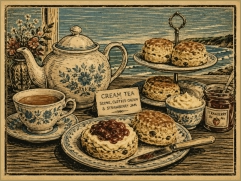
Friday 4th September, 3pm - 4.30pm
at The Trafalga Inn, 101 St Leonards Drive
Book your place now! There are only 35 seats at the table.
Pop into the office, call or email us to reserve your seat TODAY!

St Joseph’s Property Solutions
News




We have three brochures available for download which have
information you might find useful.
Click on each brochure to open it or download it.
WHAT IS PROBATE?
Are you handling the affairs of someone who has passed away and
need help understanding the probate process? Read on for our
detailed probate guide covering all of the commonly asked
questions.
The term ‘probate’ refers to the Grant of Probate, which is a legal document that Executors may need to obtain when administering the estate of someone who has passed away. This process is referred to as ‘Confirmation’ in Scotland. A Grant of Probate provides the Executor with the legal authority to carry out estate administration, which includes dealing with all of the deceased’s assets, legal affairs, debts, and more. Therefore, probate is one part of the wider estate administration process; the term is commonly misused by many to refer to the entire process of dealing with the estate of someone who has passed away. Whilst probate isn’t always required, an estate must always be administered.When is probate required?
Whether or not probate is required does not depend on whether there’s a Will or not. Probate is usually required if the deceased owned assets or property in their sole name. In this case, a Grant of Probate is often needed to sell or transfer the property and release funds to the beneficiaries of the estate. However, if assets were held jointly, they will automatically pass to the surviving joint owner.Do you have to pay for probate?
The set government fee for applying for a Grant of Probate in England and Wales is £300 for estates worth over £5,000. For estates valued at £5,000 or less, there is no fee to pay. Within this £300 fee, you will receive one copy of the Grant, but it is recommended that you purchase more at the time of application for a small fee.When should you apply for probate?
First, the death must be registered. Then, all assets and liabilities within the estate should be detailed so that the value can be calculated. If the estate includes a property, this must also be valued, and any gifts made by the deceased should be included in the value of the estate for Inheritance Tax purposes (if applicable). At this point, a Grant of Probate application can be submitted to the Probate Registry.The documents you need for probate
• A PA1P (if there is a Will) or PA1A (if there is no Will) • An Inheritance Tax form - This may not be needed if the estate is low value or meets the excepted estate requirements. THE SIGNIFICANCE OF TRUSTS IN WILL WRITING AND ESTATE PLANNINGEstate Planning / Trusts
Trusts play a vital role in will writing and estate planning, providing a flexible and secure solution for managing your assets. These legal structures, when set up and administered correctly, can protect your wealth, minimise tax liabilities and ensure your loved ones receive the benefits you intended. As a leading will writing and estate planning service provider, we are here to guide you through the intricacies of trusts, helping you make informed decisions about how best to manage and distribute your assets among your beneficiaries. In this guide, we will examine the various types of trusts available in England and Wales, their unique benefits, and the appropriate situations in which they can be implemented. Additionally, we will discuss key considerations surrounding the appointment of trustees and how to set up a trust as part of your estate plan. With a wealth of experience in will writing and estate planning, our expert team is uniquely qualified to advise you on the ideal trust structures to meet your specific needs and circumstances.Types of Trusts
There are numerous types of trusts available in England and Wales to suit various estate planning objectives. The most commonly used structures include: 1. Bare Trusts: Also known as simple trusts, bare trusts give the beneficiary immediate and absolute rights to both the income and the capital of the trust. These trusts are often used for minor children to manage assets until they reach the age of 18. 2. Interest in Possession Trusts: These trusts grant a beneficiary the right to receive the income generated by the trust, while the capital is often preserved for future beneficiaries. Interest in possession trusts can be used in situations where a spouse or partner needs to maintain an income from the assets while protecting the capital for children from a previous marriage. 3. Discretionary Trusts: Discretionary trusts offer the most flexibility, allowing the trustee discretion over the distribution of income and capital among the beneficiaries. This type of trust is particularly beneficial for catering to the diverse and changing needs of beneficiaries over time. 4. Accumulation Trusts: These trusts enable the trustees to accumulate income within the trust and add it to the capital, offering another layer of wealth preservation. Accumulation trusts are often used for educational purposes or intergenerational wealth management.Benefits of Establishing a Trust
Incorporating trusts into your estate planning strategy can yield several significant benefits 1. Wealth Protection: Trusts offer a layer of protection for your assets against unforeseen circumstances, such as bankruptcy, divorce, or claims from creditors. 2. Tax Efficiency: Properly structured trusts can help mitigate potential tax liabilities, such as inheritance tax, capital gains tax, and income tax, ensuring the efficient distribution of your estate. 3. Control over Asset Distribution: Trusts give you the ability to specify how and when your assets will be distributed to your beneficiaries, ensuring that your wishes are carried out according to your intentions. 4. Continuity: Unlike the probate process, trusts can be administered without interruption upon your death, enabling an efficient transfer of wealth to your beneficiaries with minimal delay.Selecting and Appointing Trustees
Choosing competent and trustworthy trustees is essential for the successful management of your trust: 1. Number of Trustees: Appoint at least two individuals or a professional firm, such as a solicitor or trust corporation, as trustees to ensure accountability and smooth administration in the event of a trustee’s death or incapacity. 2. Expertise: Select trustees with experience in managing financial and legal matters related to trusts, including investment management, tax compliance, and the ongoing administration of the trust. 3. Commitment: Due to the long-term nature of many trusts, choose trustees who are reliable and committed to upholding their fiduciary duty towards the beneficiaries. 4. Independence: Avoid appointing immediate family members to prevent conflicts of interest or strained relationships, particularly in discretionary trusts where trustees wield significant decision-making power.Setting Up a Trust as Part of Your Estate Plan. Follow these steps to
establish a trust within your estate planning strategy
1. Determine Your Objectives: Assess your reasons for incorporating trusts, whether it is for tax efficiencies, wealth protection, or maintaining control over the distribution of assets. 2. Choose the Appropriate Trust Type: Select the trust structure that aligns with your objectives and the needs of your beneficiaries, consulting with an estate planning professional if necessary. 3. Draft the Trust Deed: A trust deed outlines the terms and conditions governing the trust, such as the names of the beneficiaries, the powers of the trustees, and any specific instructions. 4. Transfer Assets to the Trust: Legally transfer ownership of your assets, such as property, investments, or cash, into the trust, ensuring that the process complies with local regulations and tax requirements. 5. Monitor and Update the Trust: Regularly review the trust’s performance and update its terms and conditions as needed to keep pace with changes in your circumstances, tax laws, or beneficiary needs.Conclusion
Implementing trusts within your will writing and estate planning is an effective means of safeguarding your wealth and ensuring your loved ones are well provided for in accordance with your wishes. By thoughtfully considering different trust types, appointing trustworthy trustees, and expertly setting up your trust, you can optimise the transfer of your assets and secure your family’s financial future. Entrust your estate planning to Sovereign Planning and benefit from our expertise in professional will writing and trust management. Contact our team today to explore how a bespoke trust strategy can enhance your estate plan in England and Wales. Labour Party proof, recession proof, inflation proofProbate Wills & Trusts: A Recession-Proof Business
The probate, wills, and trusts industry are widely considered a recession-proof business. Regardless of economic conditions, people continue to pass away, and their estates must be settled. This creates a consistent demand for legal professionals who handle estate planning, probate administration, and trust management. One of the primary reasons this industry remains stable is its necessity. Estate planning is not a luxury service; it is a legal requirement for distributing assets upon death. Families need assistance navigating the probate process, ensuring legal compliance, and preventing disputes. Even in economic downturns, individuals prioritize securing their assets and ensuring their loved ones are taken care of. Another key factor is demographic trends. With the aging baby boomer population, there is an increasing need for estate planning services. Many individuals seek professional guidance to establish wills and trusts to protect their wealth and minimize tax burdens for future generations. As the population continues to age, this demand will only grow. Furthermore, economic uncertainty often drives more people to plan their estates. During financial crises, individuals become more aware of the importance of securing their assets. They seek to create or update wills and trusts, ensuring their wealth is managed effectively and protected against unforeseen circumstances. Additionally, the probate and trust administration process are unaffected by market volatility. Unlike industries that rely on consumer spending or financial market performance, estate planning and probate services are required regardless of economic conditions. For those considering entering this industry, probate, wills, and trusts offer a stable and reliable business opportunity. Whether through legal practice, estate administration, or trust management, professionals in this field can expect consistent demand and long-term sustainability, making it one of the most recession-resistant sectors in the legal and financial industries. © St Joseph’s Property Solutions Ltd, 2026 Company Number 15977596 ® The St Joseph’s logo and name is protected by a Trade Mark


Lunch is FREE


We will be discussing:
•
Wills & Trusts
•
Probate
•
Protecting Property
•
Lasting Powers of Attorney
•
Q & A
•
Free raffle!

Friday 4th September, 3pm - 4.30pm
at The Trafalga Inn, 101 St Leonards Drive
Book your place now! There are only 35 seats at the table.
Pop into the office, call or email us to reserve your seat TODAY!


© St Joseph’s Property Solutions Ltd, 2026
Company Number 15977596
® The St Joseph’s logo and name is protected by a Trade Mark


St Joseph’s Property Solutions

















Property
Solutions
News